Journal
The Love That Doesn’t Ask You to Explain Yourself
What Heart of the Beast gets right about dogs—and why their loyalty matters beyond the battlefield.
October 21, 2026 · 5 min read
- dogs
- film
- friendship
- loyalty
- Wild Roads
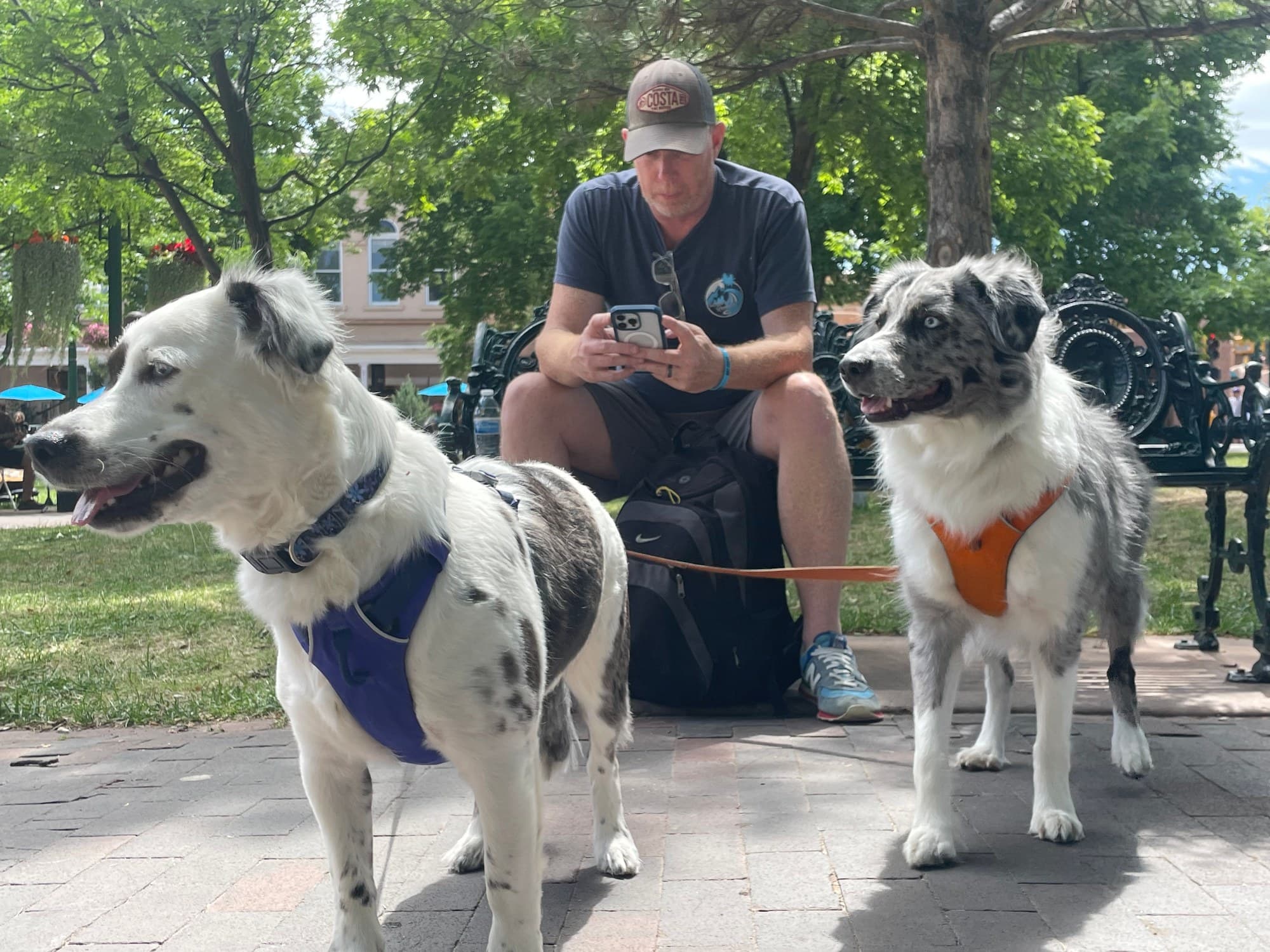
Brad Pitt’s new film Heart of the Beast begins with a familiar kind of bond: a soldier and the dog who served beside him. James and Odin are both carrying the marks of what they have survived. When they are stranded in the Alaskan wilderness, the question becomes whether either can make it through alone.
The film’s premise is built for danger and spectacle. Critics have had mixed feelings about the survival-movie machinery around it: some found the sentiment too heavy, the story too familiar, or the ending too emphatic. But several reviews converge on what gives the film its pulse. The relationship between James and Odin feels most alive in the pauses—in a look, a shared breath, an act of care, a moment when one of them notices what the other needs. The Los Angeles Times even argues that the dog steals the picture, while Sight and Sound singles out the dog’s expressive reactions and the film’s quieter moments. (Los Angeles Times; Sight and Sound)
That feels right to me. A dog’s love rarely arrives as a speech. It comes over and leans against your leg. It waits by the door. It brings you the same scuffed tennis ball again, with the seriousness of a mission. It stays close enough to remind you that the next small thing still needs doing.
The film gives that bond a military frame. Odin is a combat dog, trained to work alongside people in danger. That history matters to the story, and it gives the pair a shared language of trust. But I don’t want the military setting to make us think this kind of connection belongs only to the battlefield, or only to dogs with a job.
A dog does not have to pull someone from wreckage, guide a person through a crowd, or stand watch to matter. A family dog matters. A shelter dog learning that a home can be safe matters. The old dog who can no longer keep up on the trail matters. Their value does not depend on what they can do for us. Service can be one expression of the bond; it is not the price of admission to it.
In my Wild Roads books, Murphy is a rescue dog who becomes part of Eli’s daily life at a time when staying connected to the world is hard. Murphy needs to be fed and walked. Eli has to get up, open the door, pay attention. Those ordinary responsibilities become a kind of handhold. The dog is not a cure, and the story does not treat him as one. He is a living companion whose needs and presence make it harder for Eli to disappear into himself.
That is one of the things dogs do so powerfully: they return us to the present without asking us to explain how we got lost. They don’t need us to have the right words. They don’t ask for a polished version of grief, or a convincing account of why today is difficult. They respond to the person in front of them—to the hand, the voice, the familiar walk, the choice to come back tomorrow.
I call that love without judgment, though I know those are human words for a relationship that is its own thing. Dogs have boundaries, fears, preferences, and needs. They are not little people without opinions. But they do not measure us by our résumé, our best day, or our ability to make a case for being worth someone’s time. We can arrive tired, ashamed, uncertain, or quiet, and the dog beside us can still be glad we came home.
The second Wild Roads novel, The Bare Horizon, brings another dog into Eli’s life: Cooper, first as a foster. Cooper is not there to erase Murphy or make grief disappear. He is his own dog, with his own history, and the relationship has to begin where both of them are. To me, that is part of what makes the bond meaningful. Love is not a replacement part. It can make room for someone new while still honoring the one who came before.
That idea reaches beyond fiction. People often talk about loyalty as if it means never leaving, no matter what. But the kind of loyalty dogs show us is also built from attention and return: I know your sounds. I recognize your footsteps. I am here again. And we answer it in turn—with food, shelter, patience, veterinary care, a safe walk, a hand resting on a warm back. Friendship is not only what a dog gives. It is the care we owe them.
The strongest parts of Heart of the Beast, from what critics describe, are the parts where the film lets that exchange speak for itself. A Radio Times review spotlights Odin’s performance; The Guardian describes the appeal through the idea of two companions who have no one else in the world. The movie may stretch the sentiment, and reasonable reviewers disagree about how well its familiar adventure story works. But the bond at its center points toward something larger than a soldier and his service dog.
It points toward the dog sleeping at the foot of a child’s bed. The dog who gives someone a reason to step outside. The old companion whose pace slows, so the whole family learns to slow down. The foster who watches from the edge of the room until he decides, in his own time, that this place might be home.
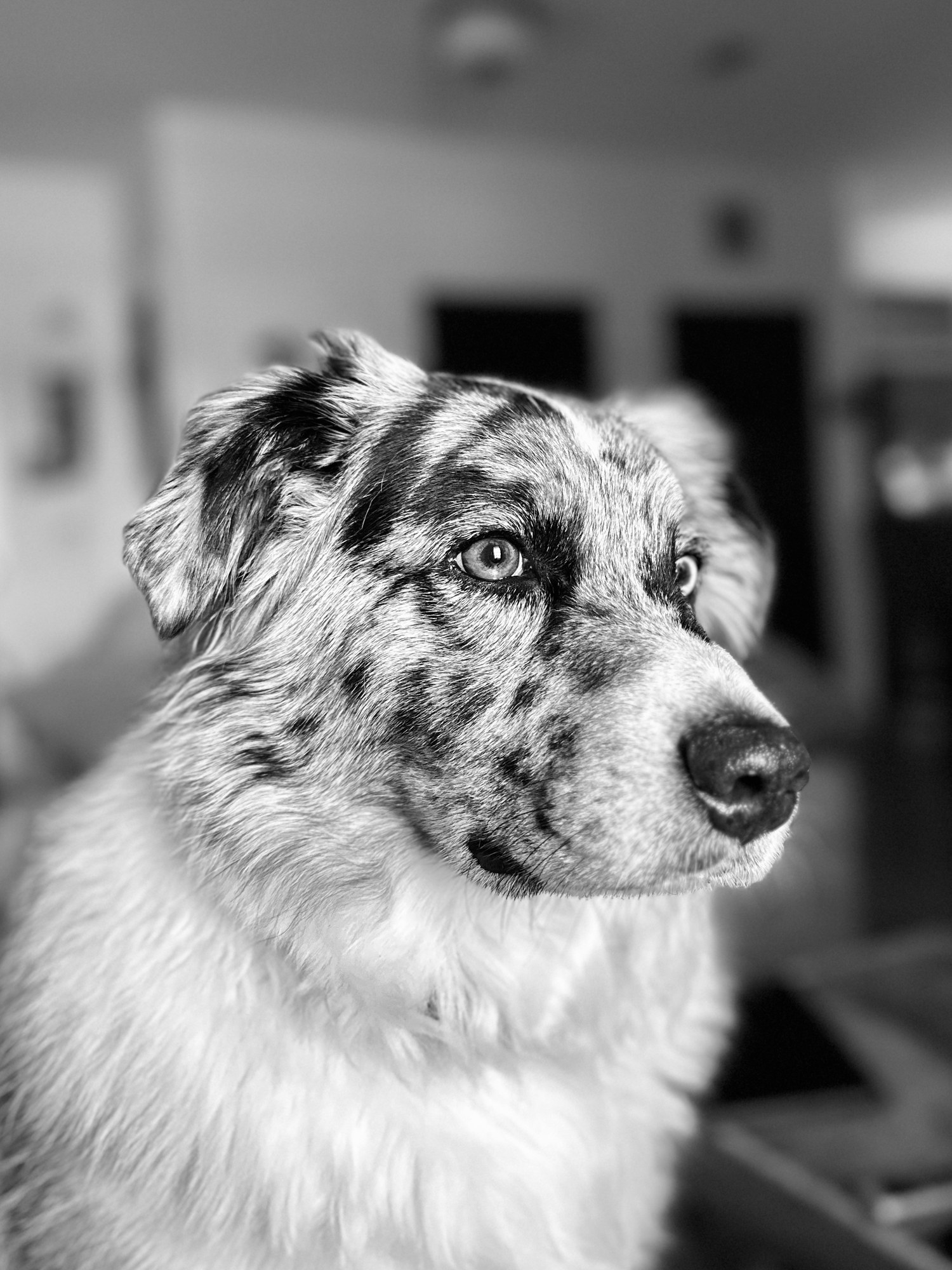
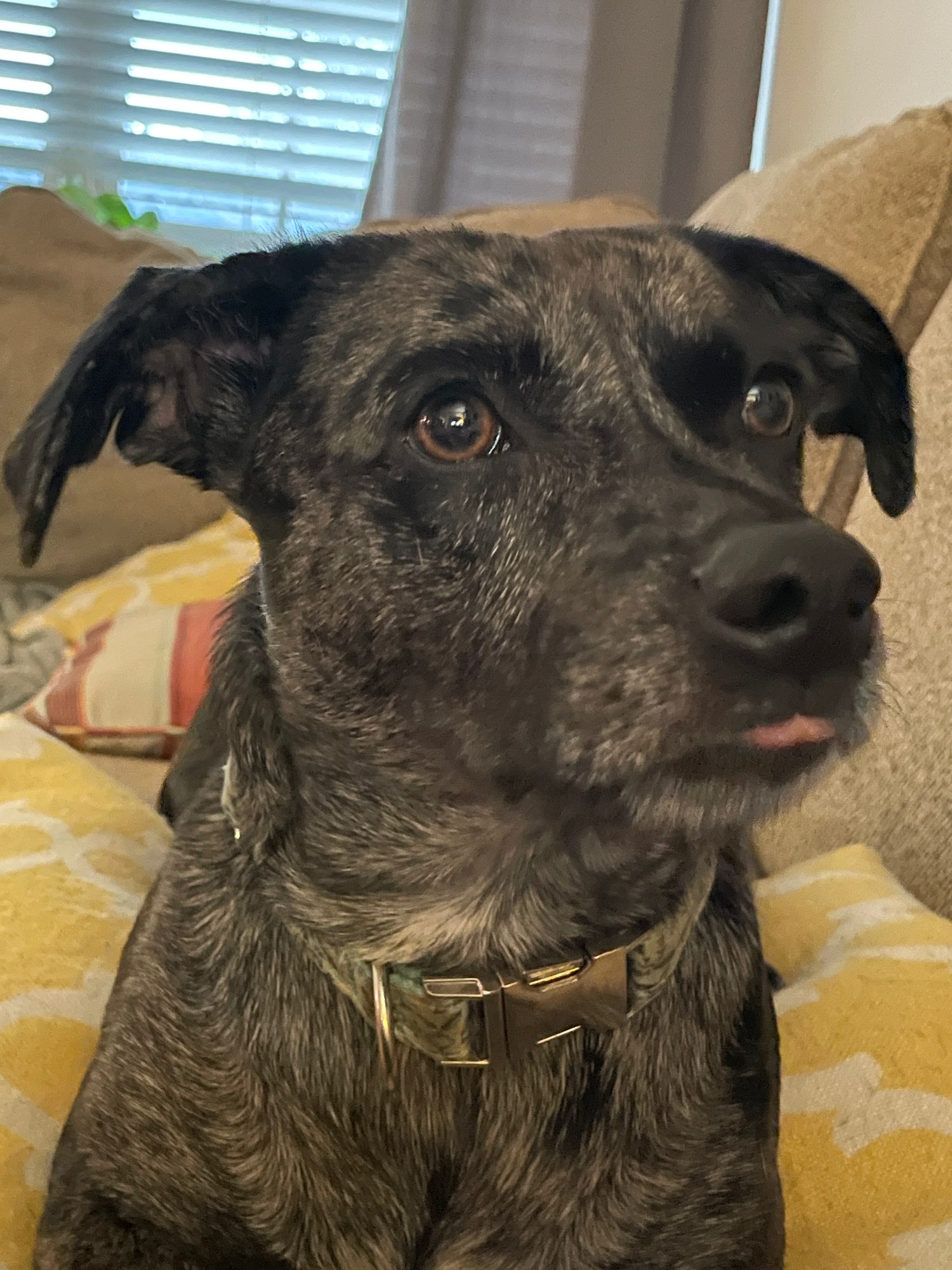
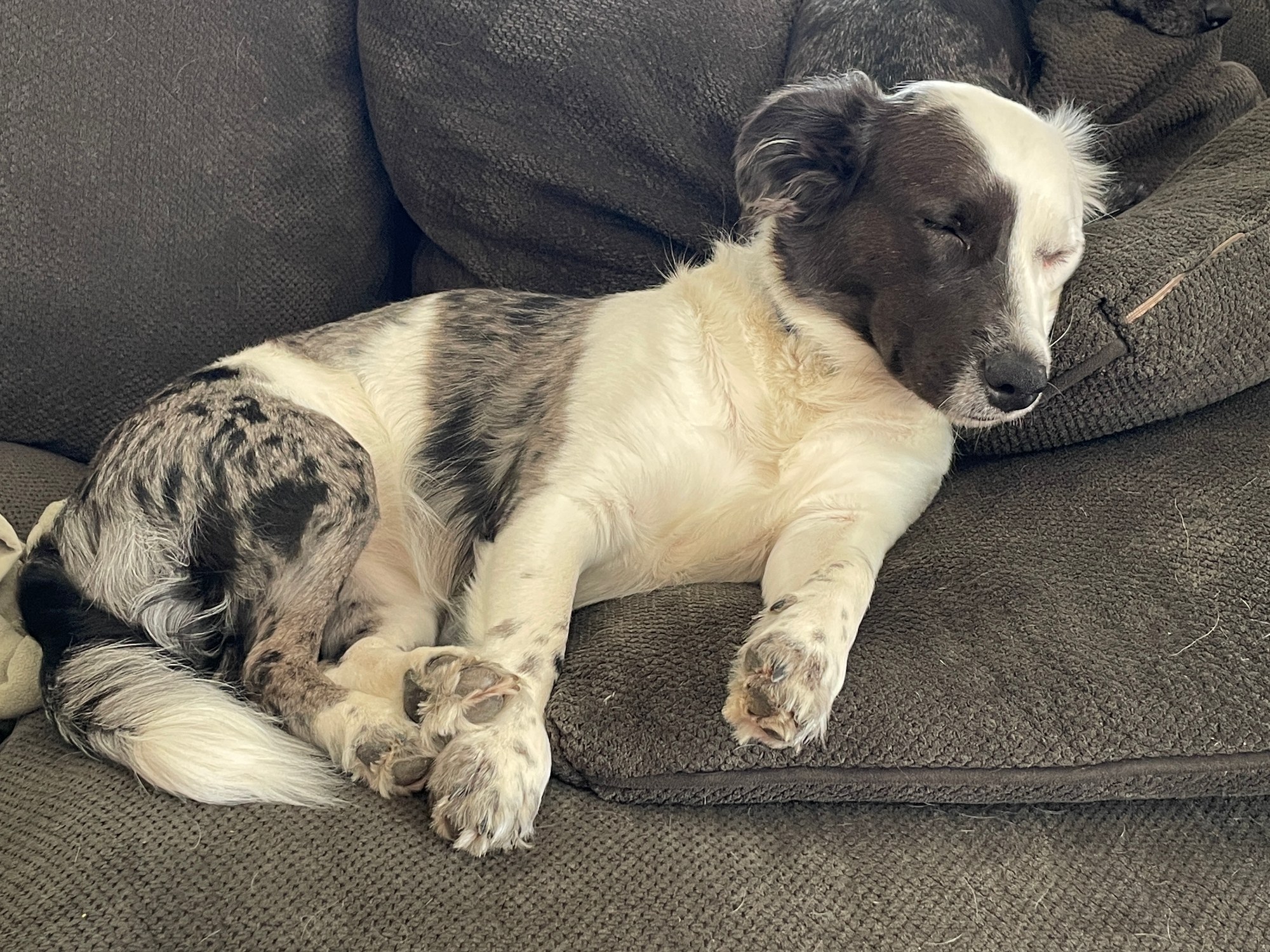
Dogs do not make our lives simple. They make them shared. Their loyalty can steady us, their affection can soften a hard hour, and their presence can remind us that love is often less about being understood perfectly than being met faithfully. No grand explanation. No performance. Just a familiar face turning toward us, ready to begin again.
That is the heart I recognize in Heart of the Beast. Not only the trained courage of a combat dog, but the everyday courage of any dog who keeps choosing closeness—and the responsibility we have to choose them back.